

We design and build garage spaces that integrate with your existing structure, rooflines, and layout. Whether you need room for vehicles, storage, a workshop, or future living space, every detail is planned to function now and adapt later.






Serving Englewood, Port Charlotte, Venice, and Southwest Florida

A garage should feel resolved, usable, and aligned with how the home is already laid out—every time you pull in or move through it. A well-planned addition starts with how the structure ties together, how vehicles enter and exit, where clearance matters, and how the space connects back to the home. Floor heights are adjusted to avoid slope and water issues, framing is coordinated to carry loads properly, and openings are placed to prevent tight or awkward transitions. Materials and construction methods are selected to handle heat, humidity, and constant use without early wear. Every decision is made to ensure the addition fits cleanly into the home and performs the way it should long term.
The new structure has to tie into the existing home correctly, or issues show up later in cracks, shifts, and uneven load distribution.
Vehicle movement, turning radius, and door placement are planned early so daily use feels natural, not tight or forced.
Floor height and grading need to prevent water intrusion, especially in Southwest Florida where drainage mistakes become long-term problems.
Ceiling height, door size, and spacing are set based on real vehicle and storage needs—not minimum code requirements.
Doors into the home, side entries, and storage zones are positioned to avoid awkward transitions and wasted movement.
Materials and ventilation are selected to handle constant exposure without warping, corrosion, or premature wear.
Every detail is thought through ahead of time, so the space works cleanly, moves easily, and holds up under daily use without constant adjustment.
A well-built garage isn’t defined by square footage. It’s defined by how the space handles vehicles, storage, access, and structure without conflict. Clearances are mapped to real use, door placement is intentional, and every zone is established before construction begins, not figured out after.
Most issues show up in the details, tight turns, poor access into the home, limited overhead space, or storage that interferes with movement. These aren’t layout problems, they’re planning problems. The structure, slab, and framing all need to support how the space will actually be used day to day.
Nothing feels tight. Nothing feels like a workaround. The result is a garage that works the first time you use it and continues to perform without adjustment, compromise, or limitations as your needs change.
A closer look at how structure, layout, and exterior details come together to create garage additions that integrate cleanly and perform over time.
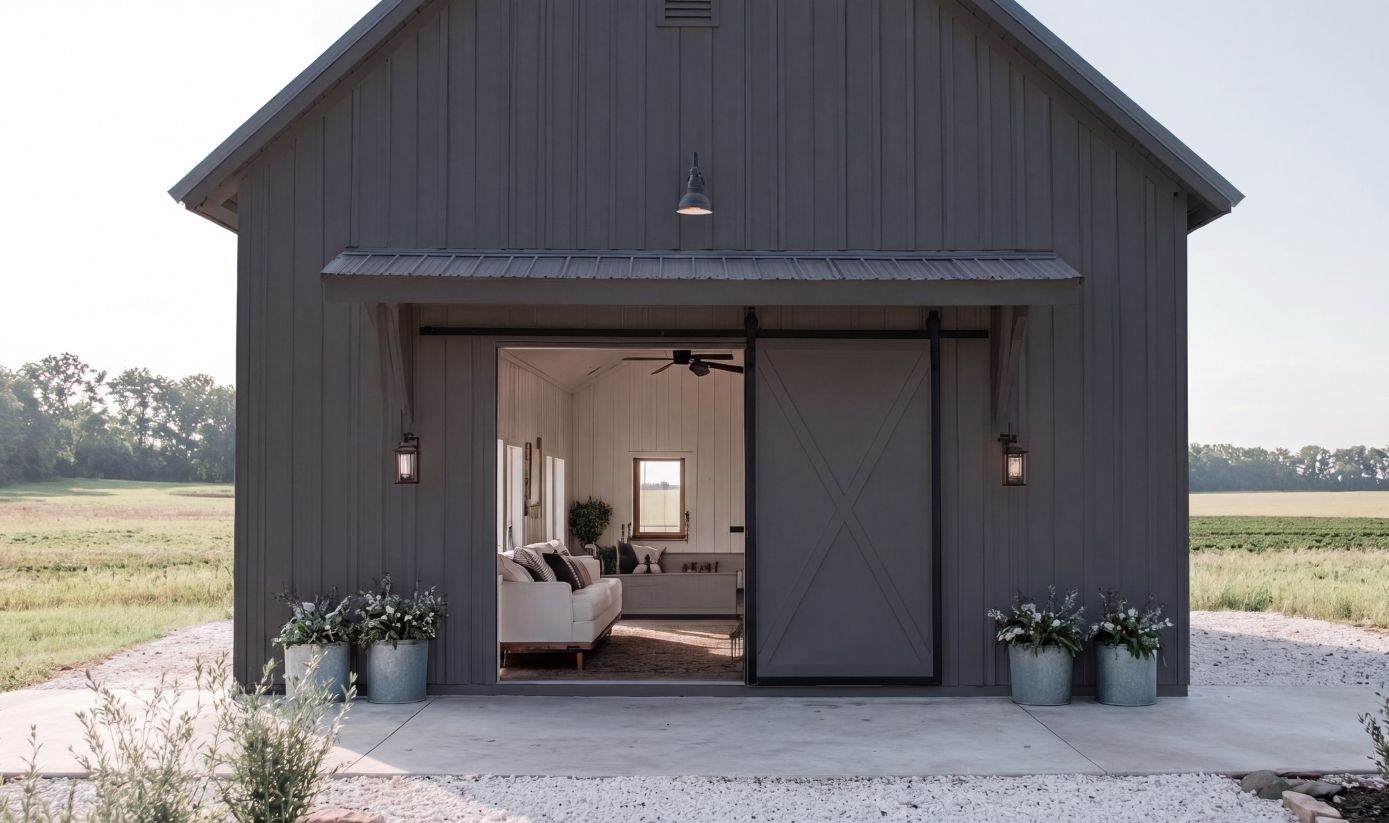
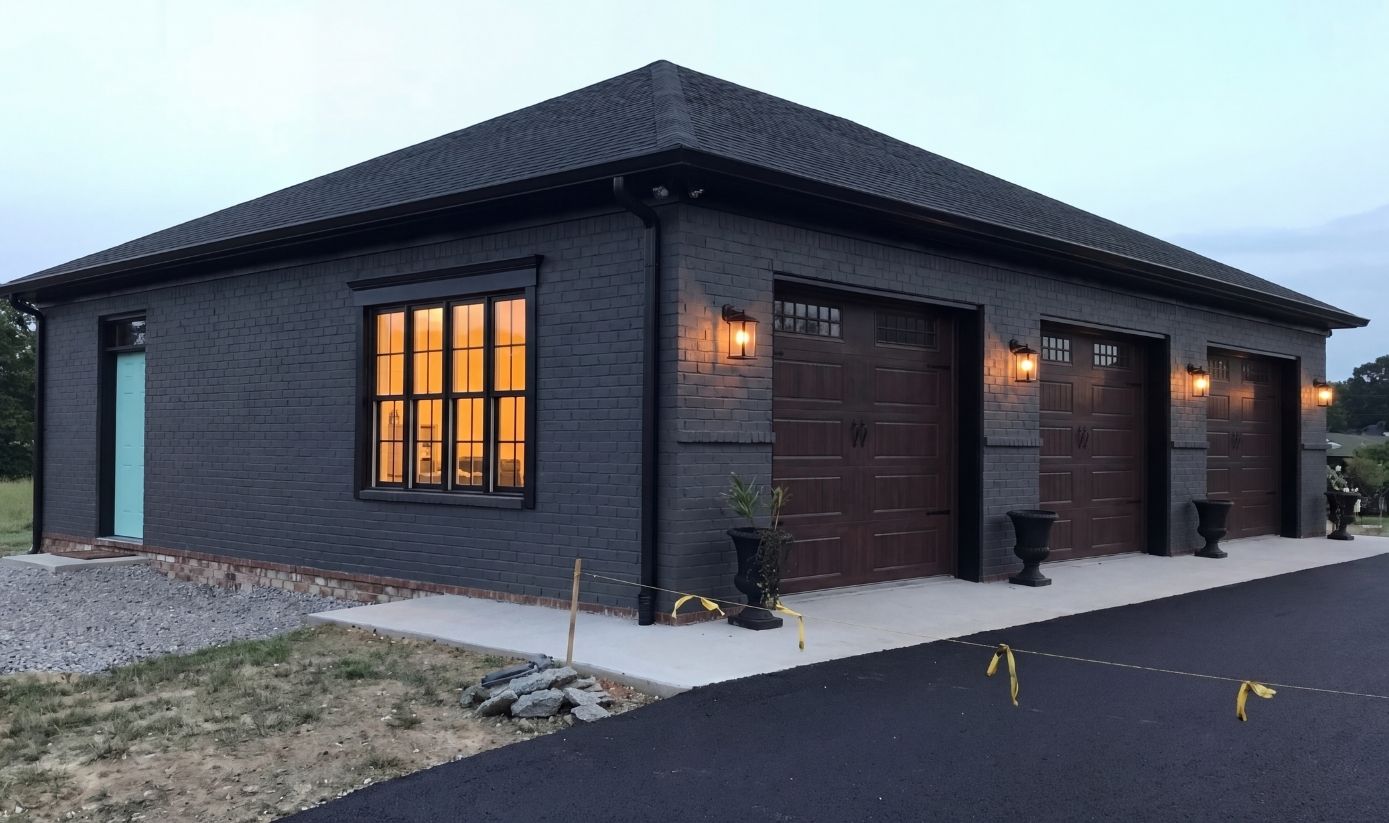
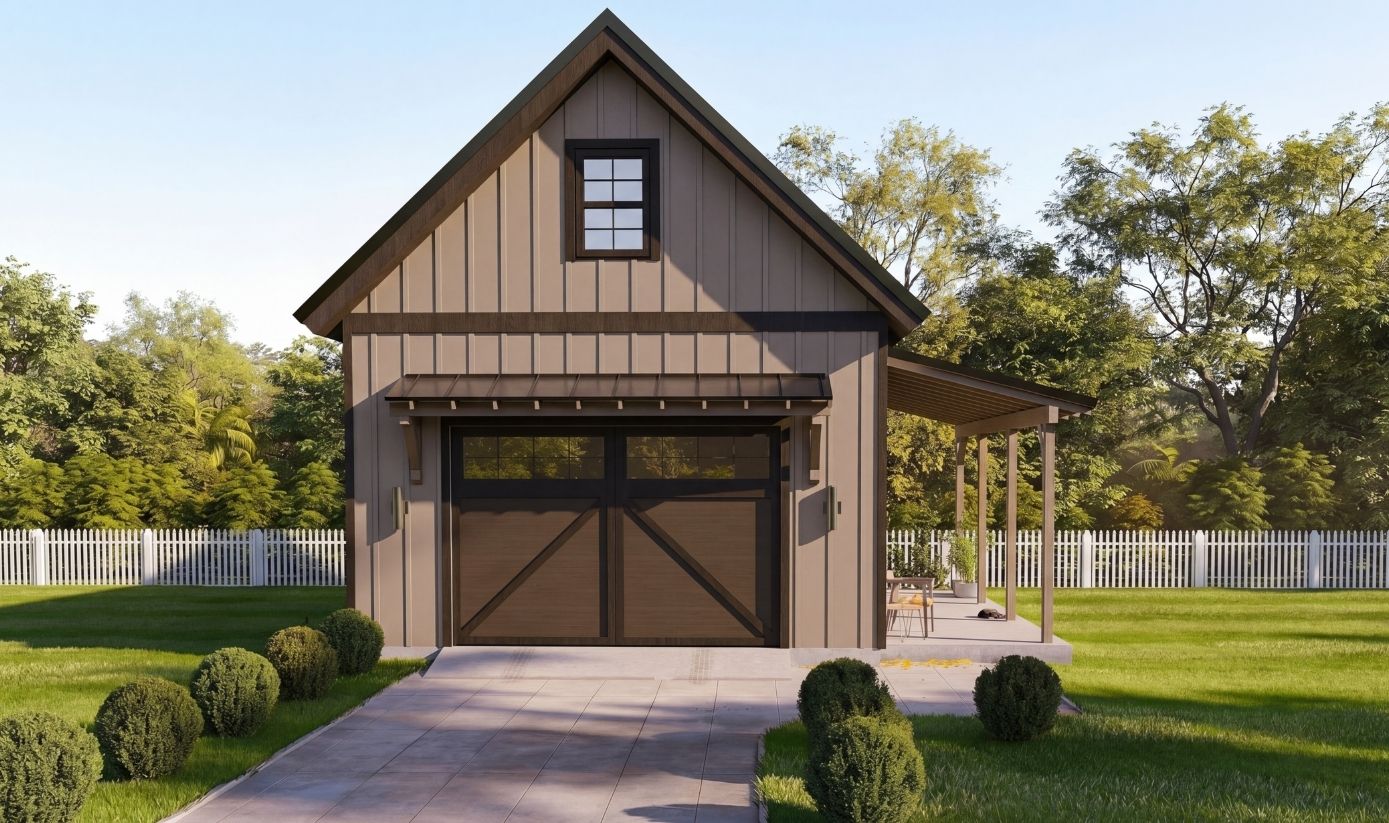
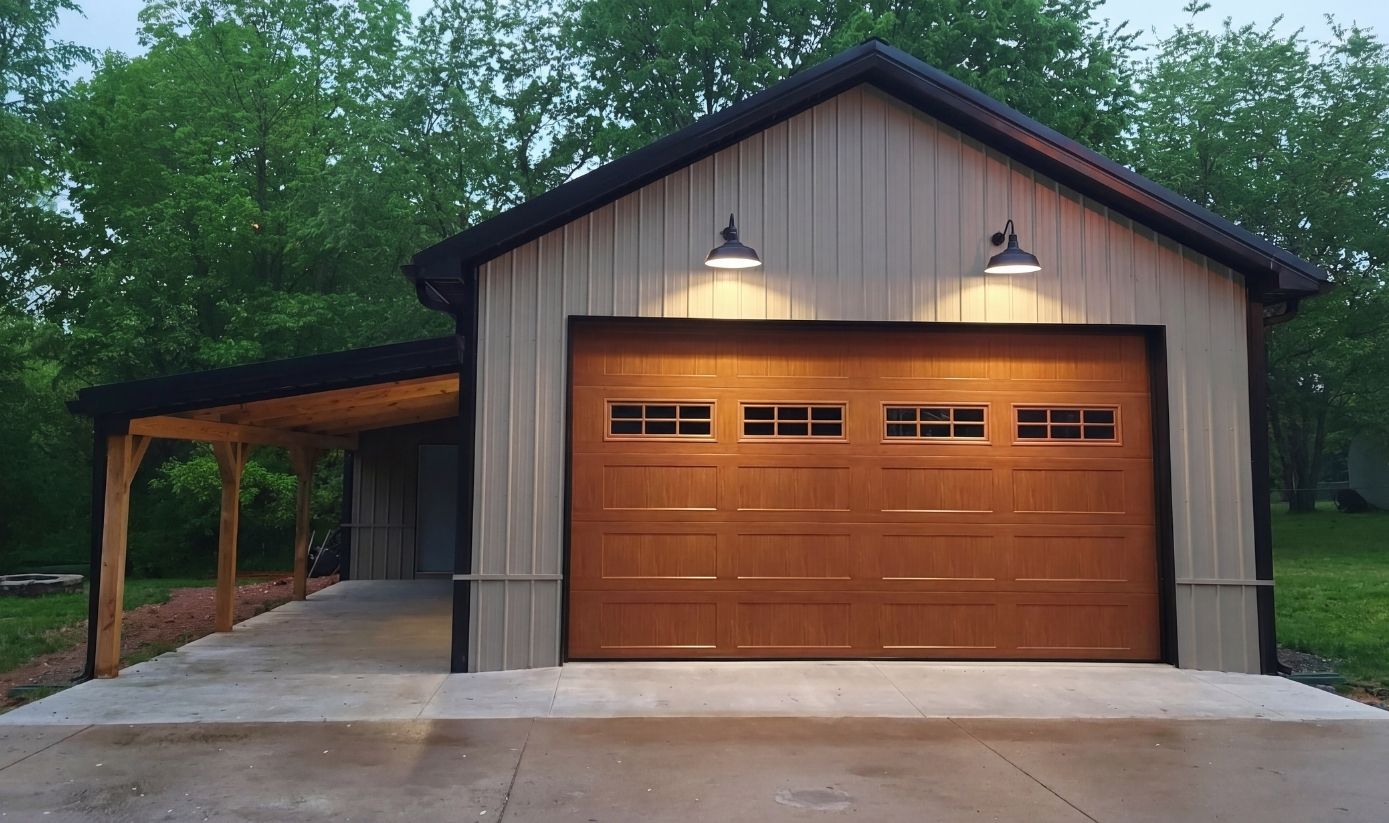
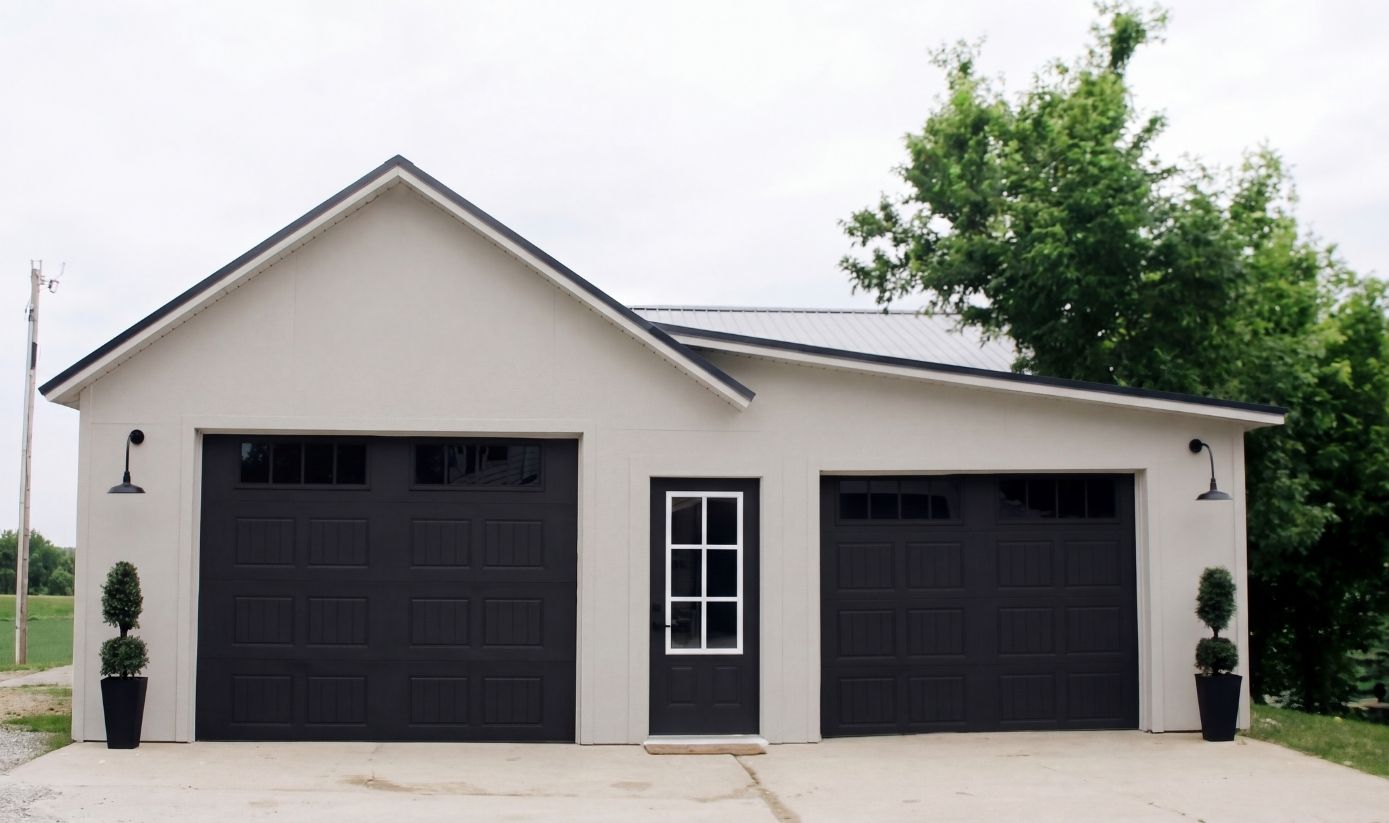
We evaluate the existing structure, available space, and functional needs before design begins.
The addition is planned around vehicle use, access points, and structural tie-ins, ensuring the layout works with the home, not against it.
Engineering and key details are finalized early to prevent structural or layout conflicts during construction.
The addition is built to align with the existing home, integrating structure, rooflines, and materials into one cohesive system.
The finished space is fully functional, aligned, and ready for daily use from day one.
Nothing feels forced. Nothing feels like an afterthought. The result is a garage that works properly from the start and continues to perform as your needs change.
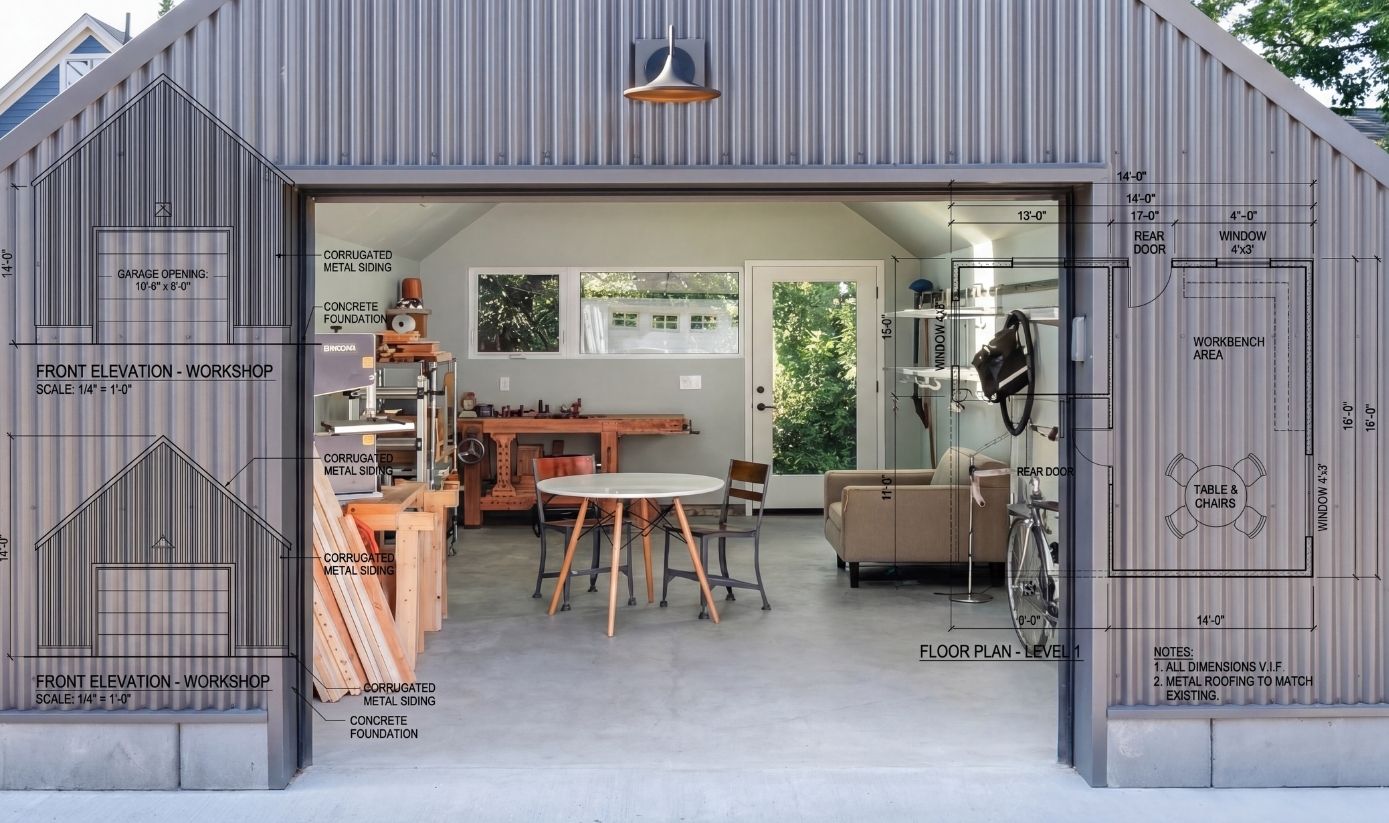
Clearances, turning space, and door placement planned for how you actually park and move
Slab height, framing, and rooflines aligned so the addition performs as one structure
Drainage, heat exposure, and material breakdown addressed before construction
When a garage is planned correctly, it shows immediately. The layout feels resolved. Vehicles fit naturally. Storage is exactly where it should be. It’s not just how the space looks—it’s how it handles daily use. Nothing feels tight. Nothing feels like an afterthought. The result is a garage that feels right from day one and continues to function without compromise over time.
Most garage additions take between 8–14 weeks once construction begins. The timeline depends on permitting, foundation work, roof tie-ins, door and window lead times, and whether utilities or site drainage need to be adjusted. What matters most is resolving the structural and layout decisions early, so the build moves forward without preventable slowdowns.
Yes. In most cases, a garage addition will require permits because it involves structural work, foundations, framing, roofing, and often electrical. In Southwest Florida, code, wind-load requirements, setbacks, lot coverage, and flood-zone conditions can all affect what is allowed. That review needs to happen before plans are finalized, not after.
It can be designed differently, but it still needs to relate to the home correctly. The rooflines, slab height, proportions, exterior materials, and connection points all have to make sense together. The goal is not to copy the existing structure blindly—it is to make the addition feel intentional and properly integrated.
That depends on size, site conditions, roof complexity, foundation requirements, door size, windows, storage features, and whether the space is strictly for vehicles or being designed for mixed use. A simple enclosed garage addition is very different from a detached structure with upgraded finishes, taller doors, workshop space, or future flexibility built in. Budget should follow how the space needs to perform, not just how large it is.
Vehicle clearance, turning space, door swing, storage zones, entry points into the home, ceiling height, and how the new structure ties into the existing one. A layout can look fine on paper and still fail in daily use if access is tight or movement is blocked. The best layouts are shaped around real use patterns, not minimum dimensions.
The most common issues are elevation mismatches, drainage conflicts, hidden utility lines, framing conditions that affect tie-ins, and site limitations that were not fully addressed in planning. On older homes, existing conditions can also affect how the new slab, roof structure, or wall connections need to be handled. This is why front-end investigation matters.
Yes, and it should be considered early. Ceiling height, span requirements, attic access, storage planning, electrical placement, window layout, and door locations can all affect whether the space remains useful as needs change. Even if the garage is being built for vehicles today, smart planning can preserve better options for tomorrow.
Yes, and it should be considered early. Ceiling height, span requirements, attic access, storage planning, electrical placement, window layout, and door locations can all affect whether the space remains useful as needs change. Even if the garage is being built for vehicles today, smart planning can preserve better options for tomorrow.
In most cases, access can be maintained, but there will be phases where portions of the driveway or entry points are temporarily restricted. Foundation work, framing, and roof tie-ins typically have the biggest impact. Planning how the addition connects to the home early helps reduce disruption and avoid unnecessary access issues during the build.
More than most people think. Ceiling height affects door size, storage options, vehicle clearance, and long-term flexibility. Standard heights can feel limiting once lighting, openers, or storage are installed. Planning for additional height upfront allows for better usability, cleaner layouts, and avoids constraints you can’t fix later.
Whether you’re building a custom home or planning a renovation, the first step is a straightforward conversation. We’ll review your goals, your property, and what it takes to execute it the right way.
Your Dream Space Starts Here Get Exclusive Design Straight Your Inbox!
Porter Contracting Inc. Copyright © 2026 All Rights Reserved.