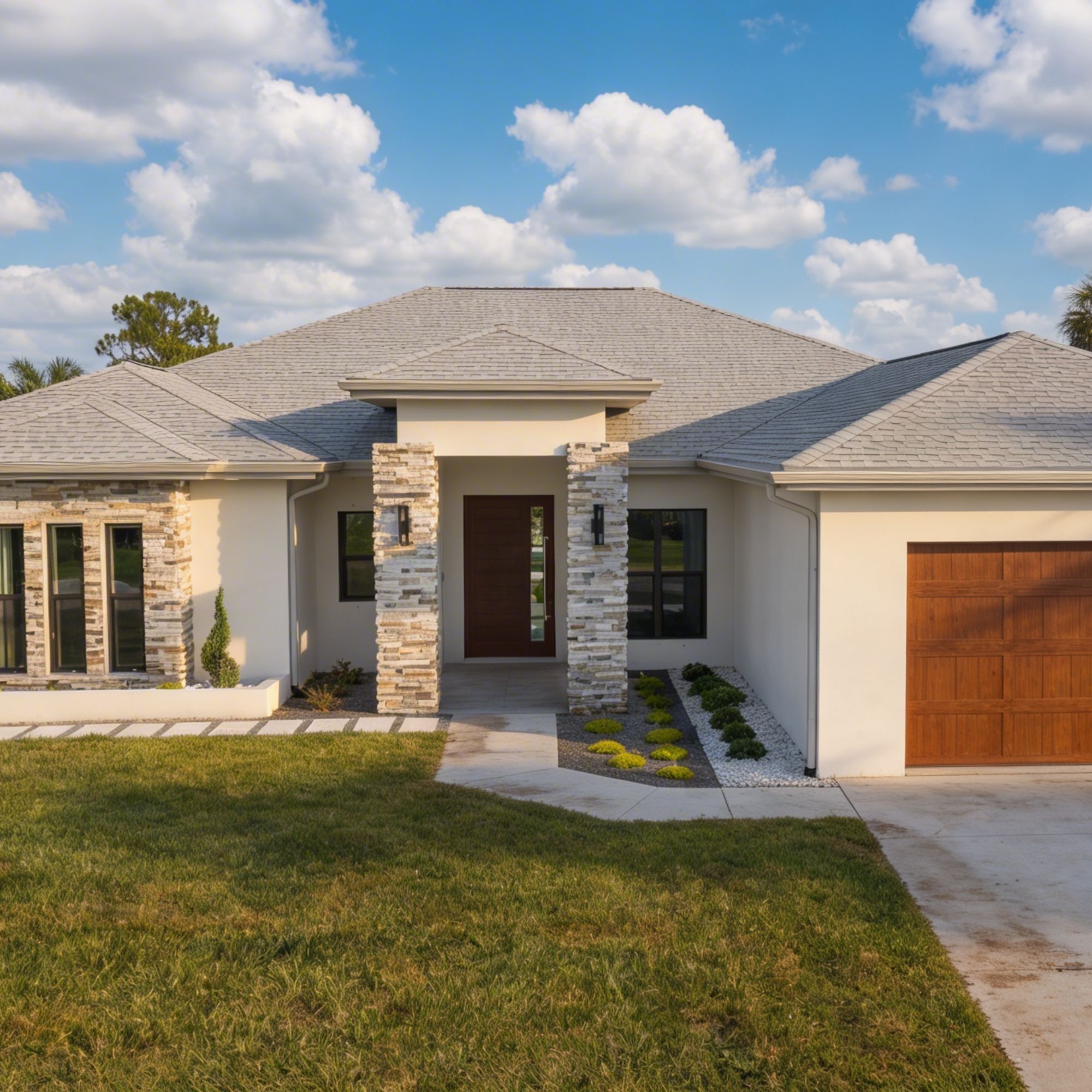
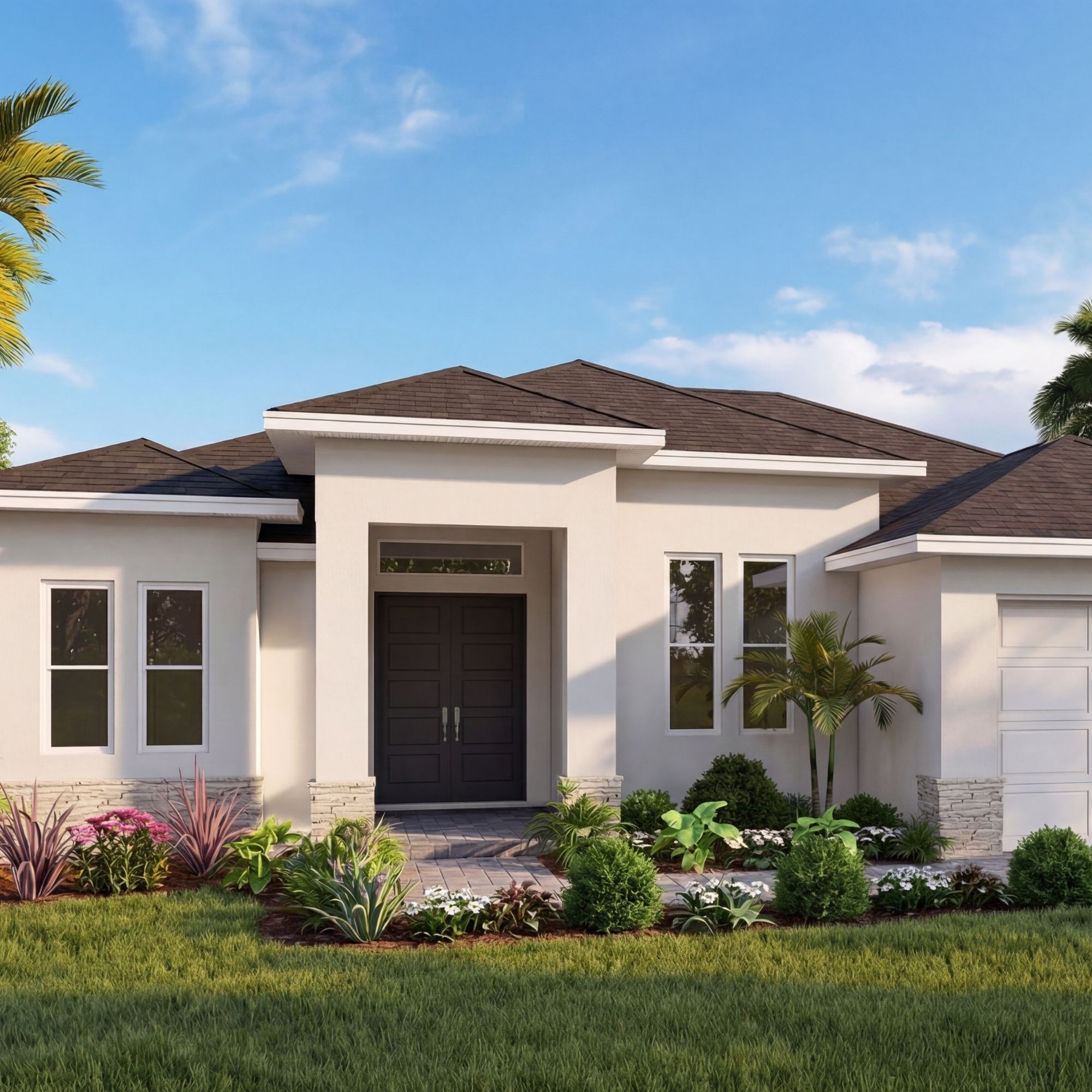
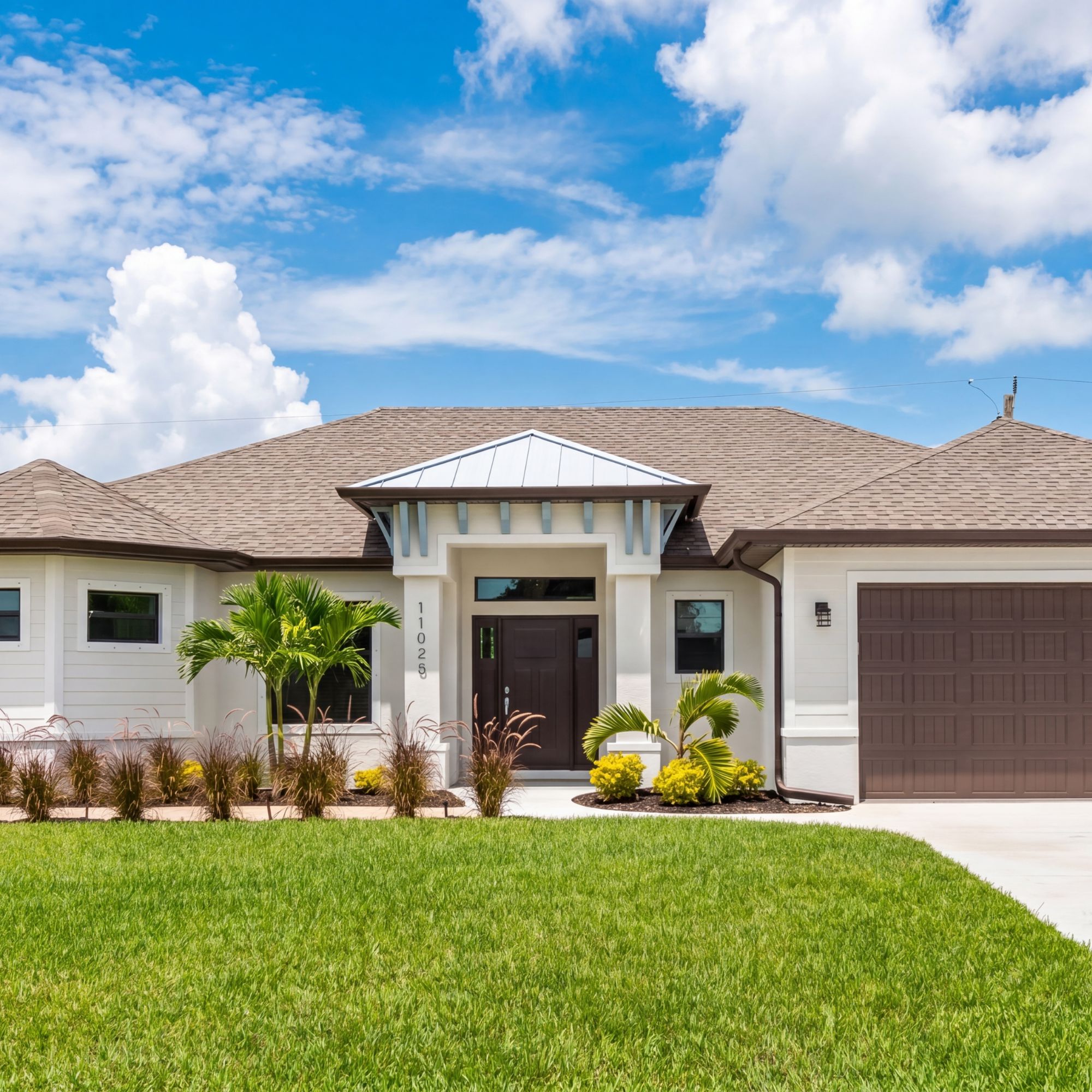
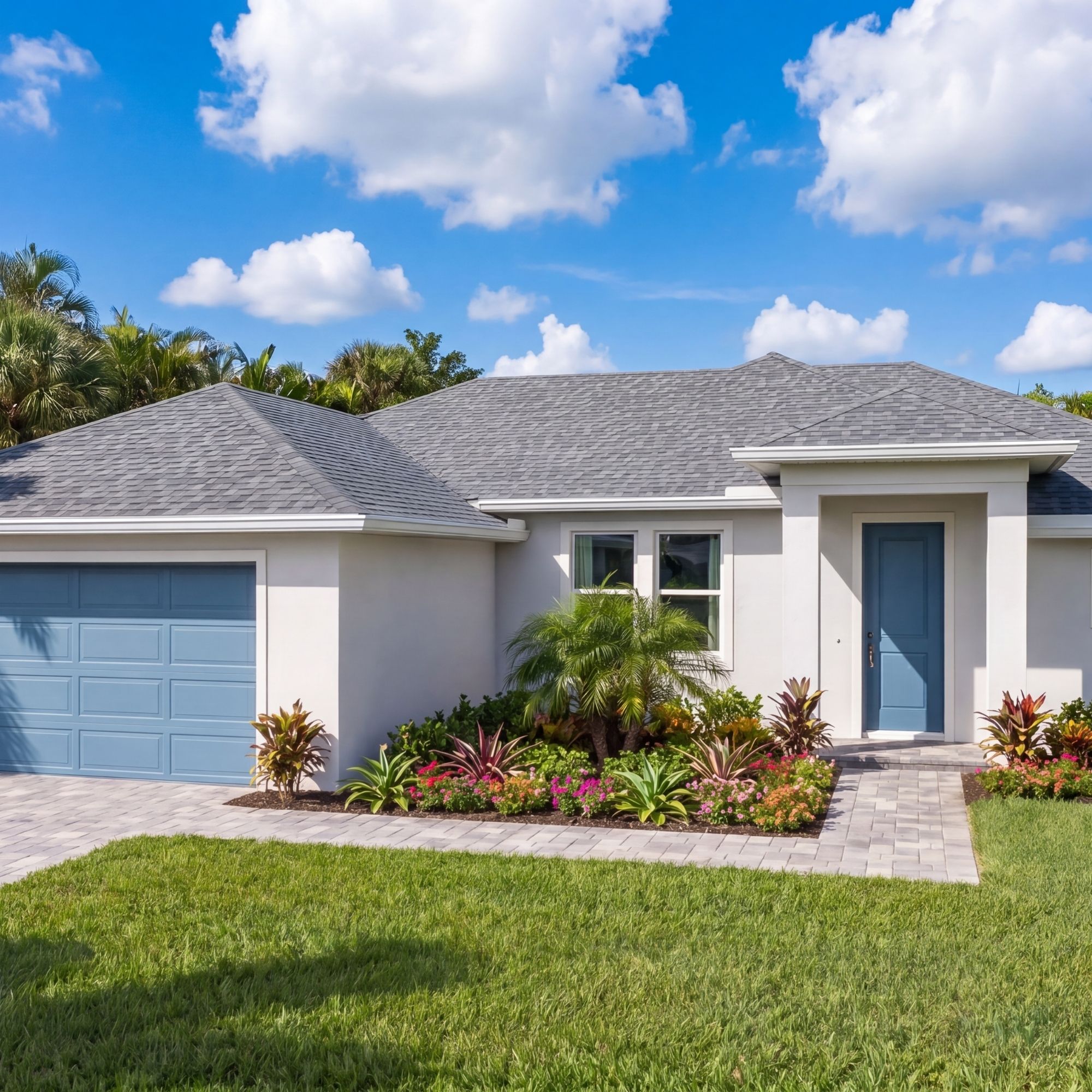
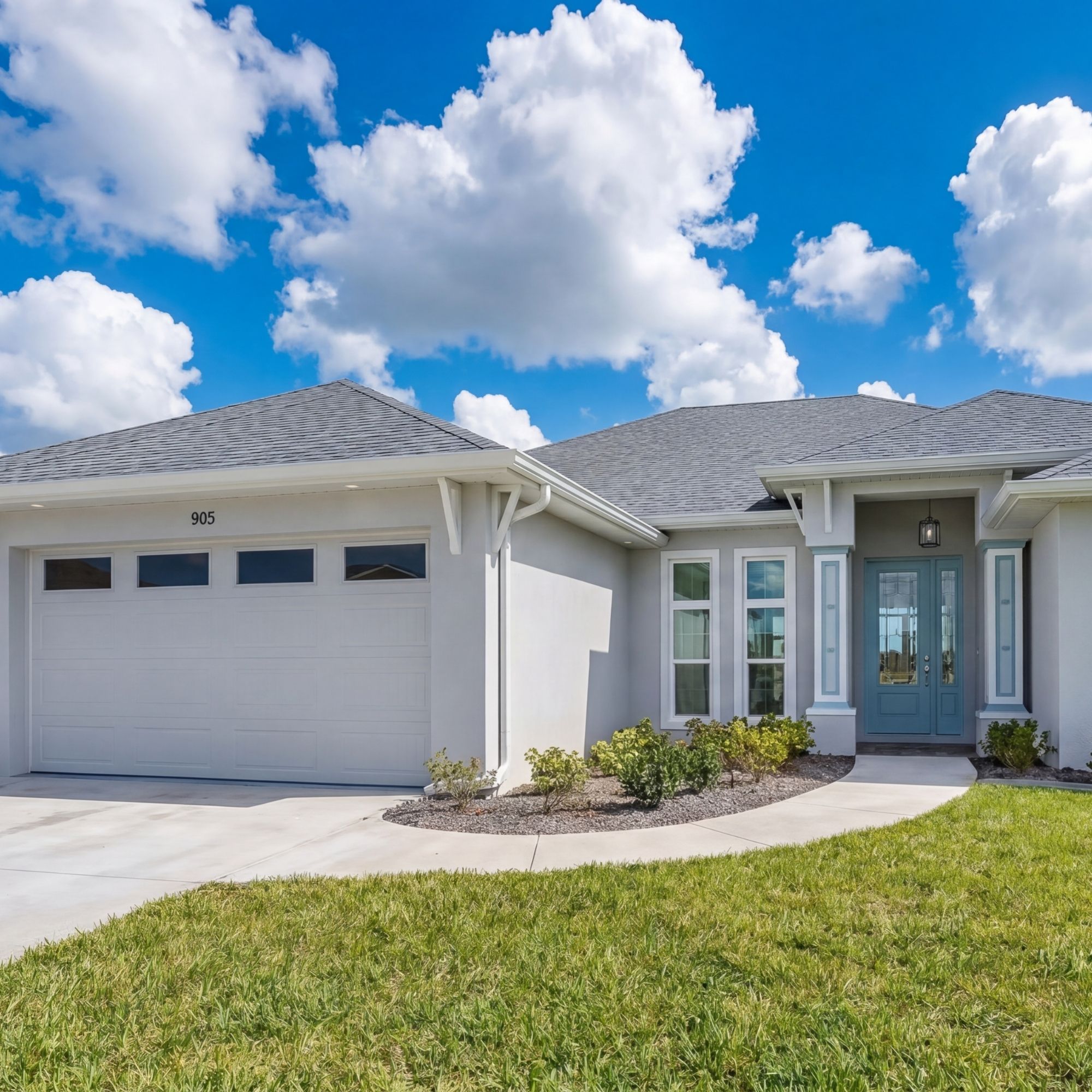
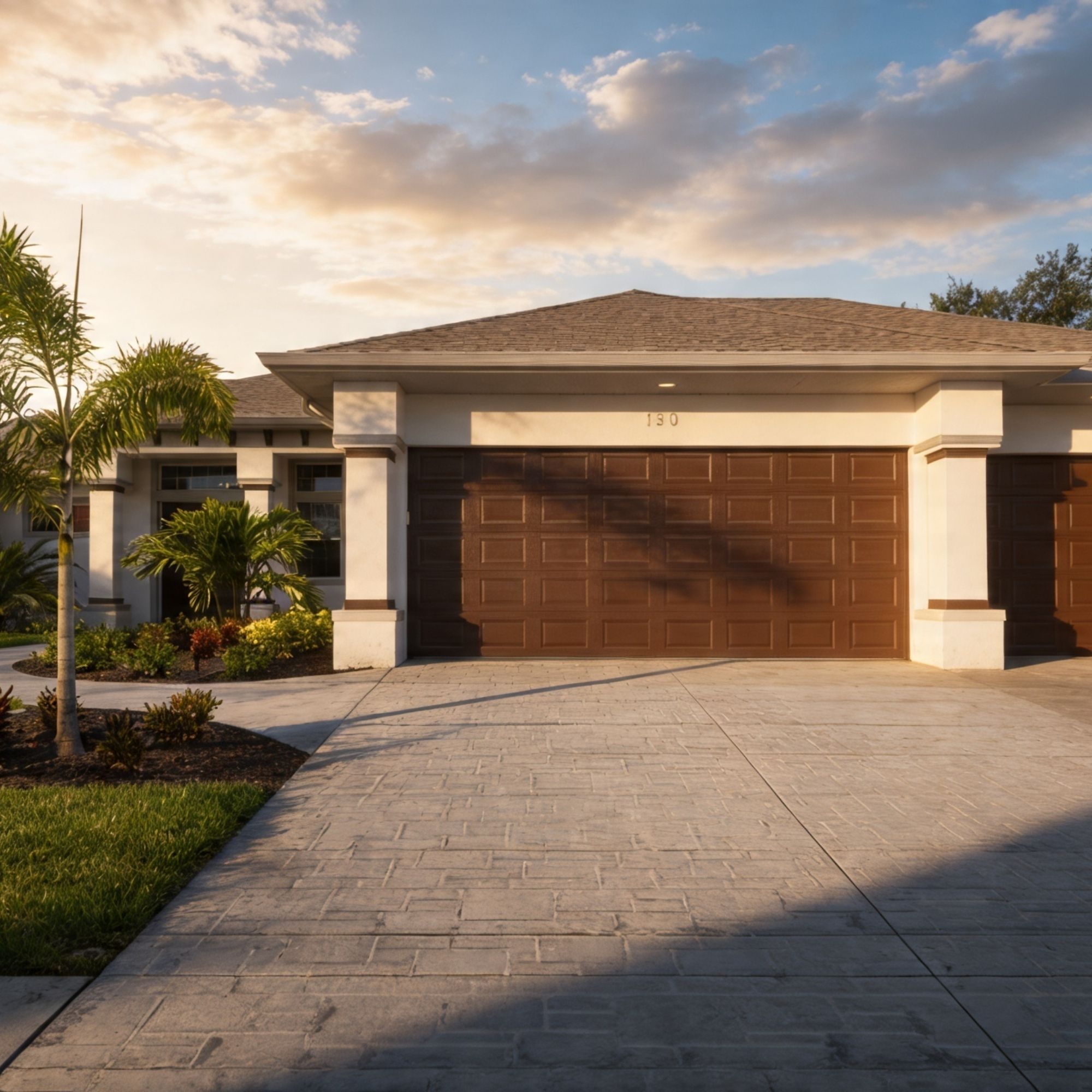
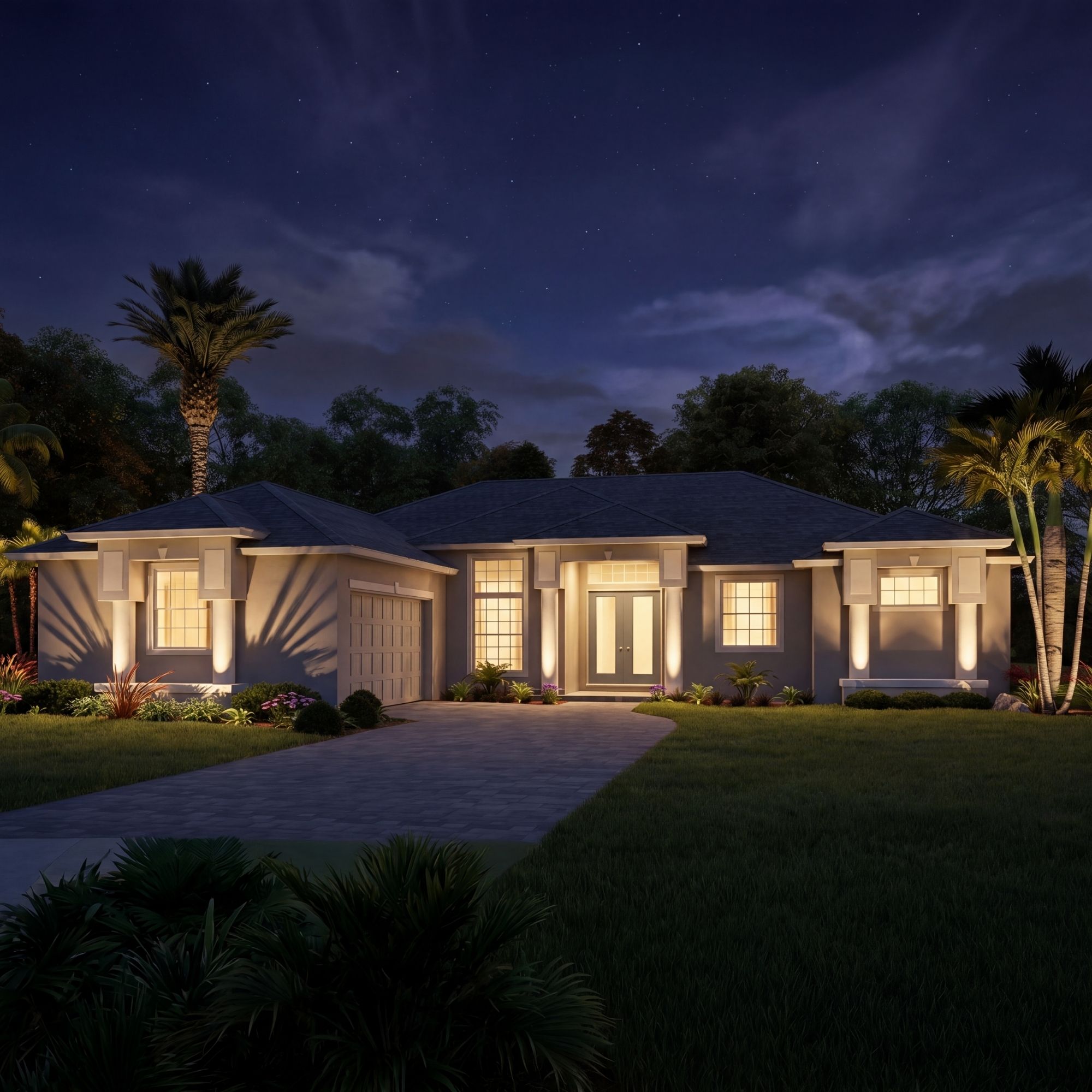
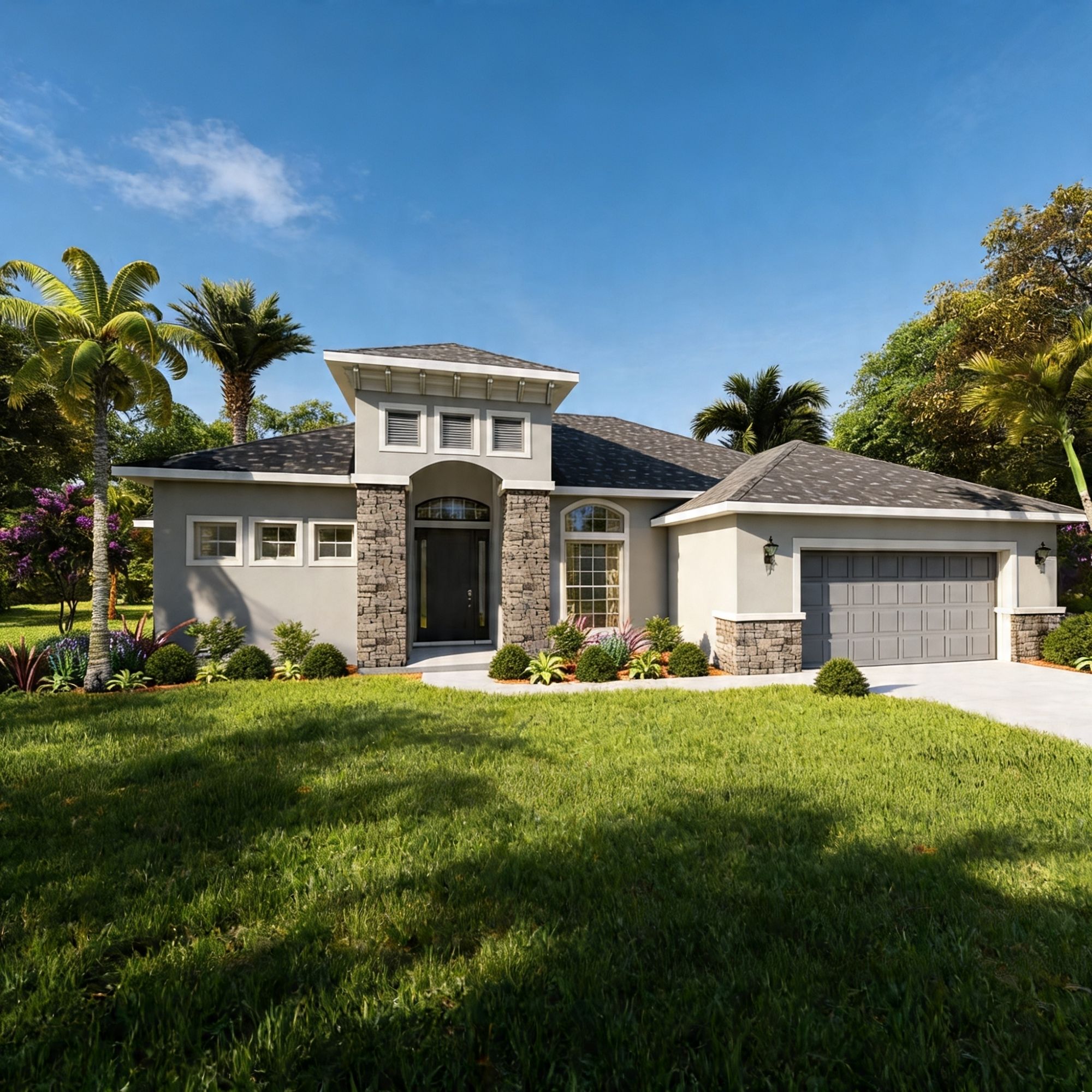
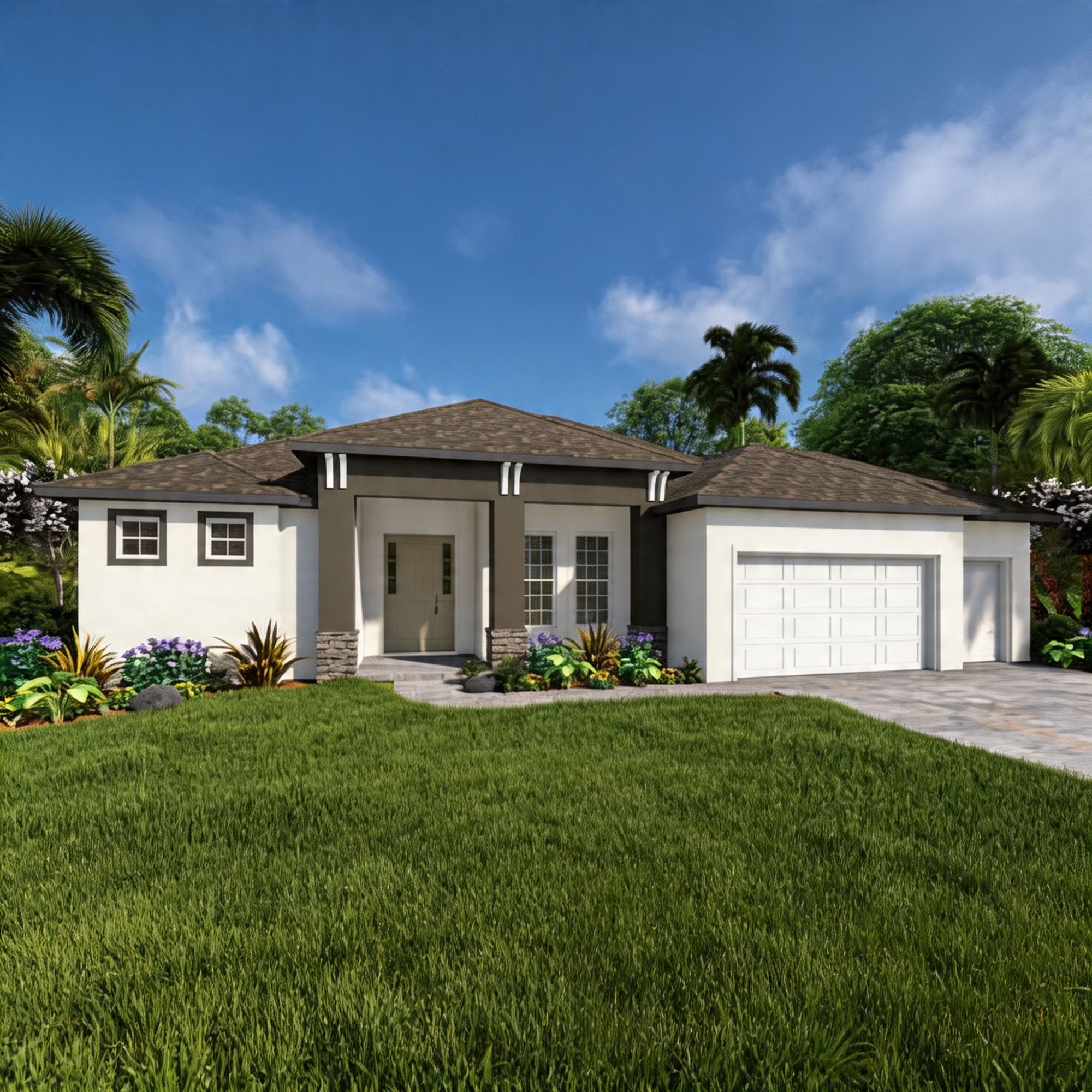
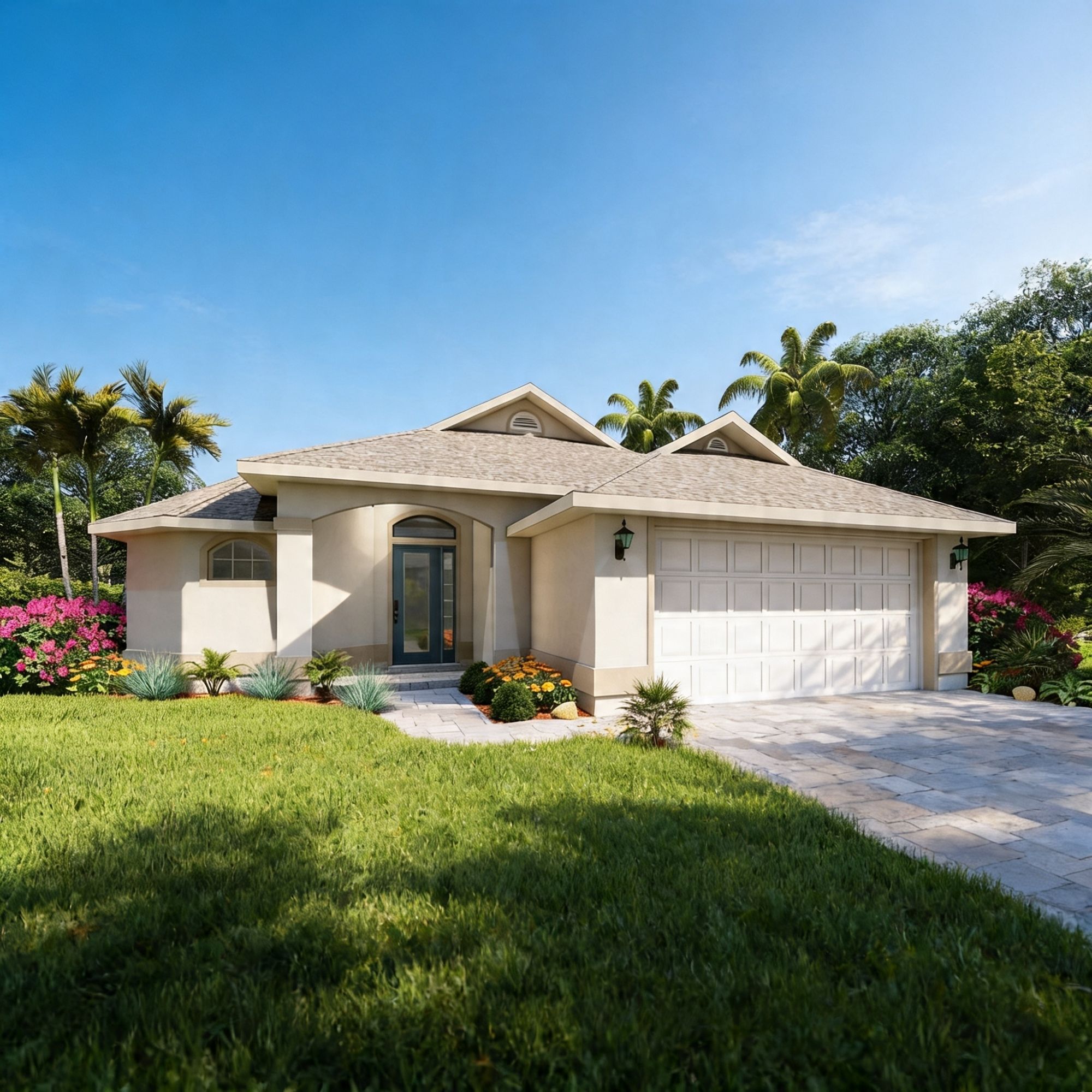
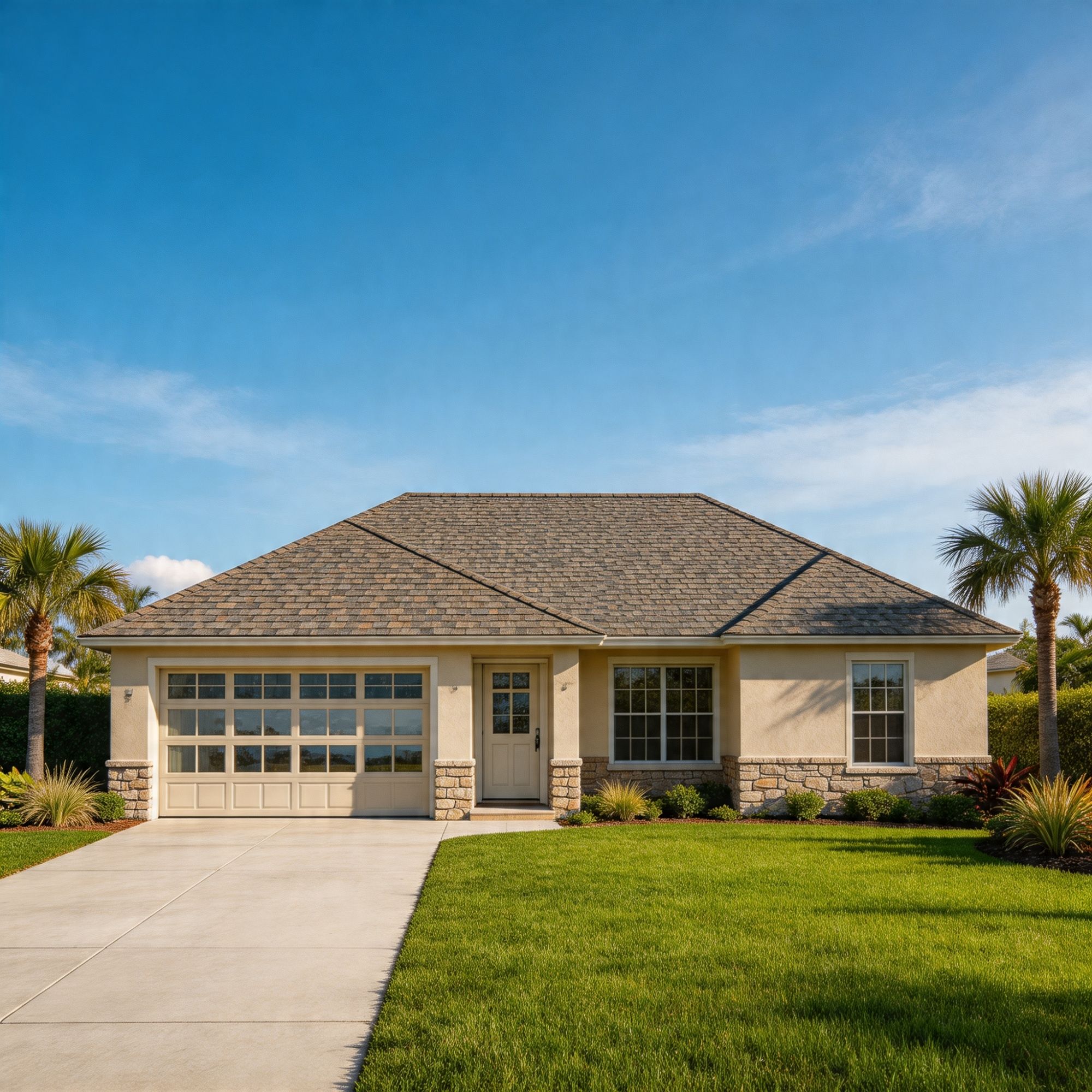
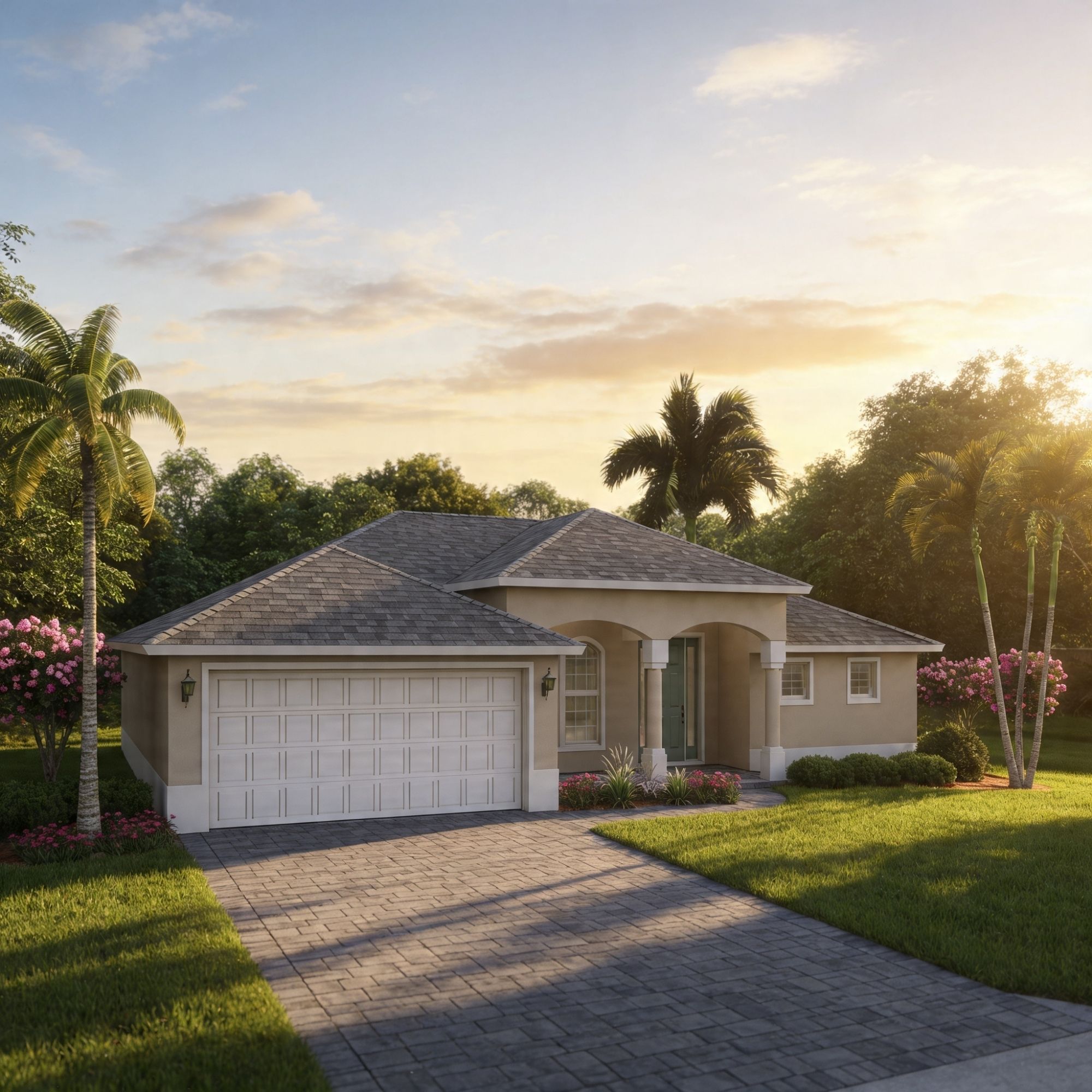
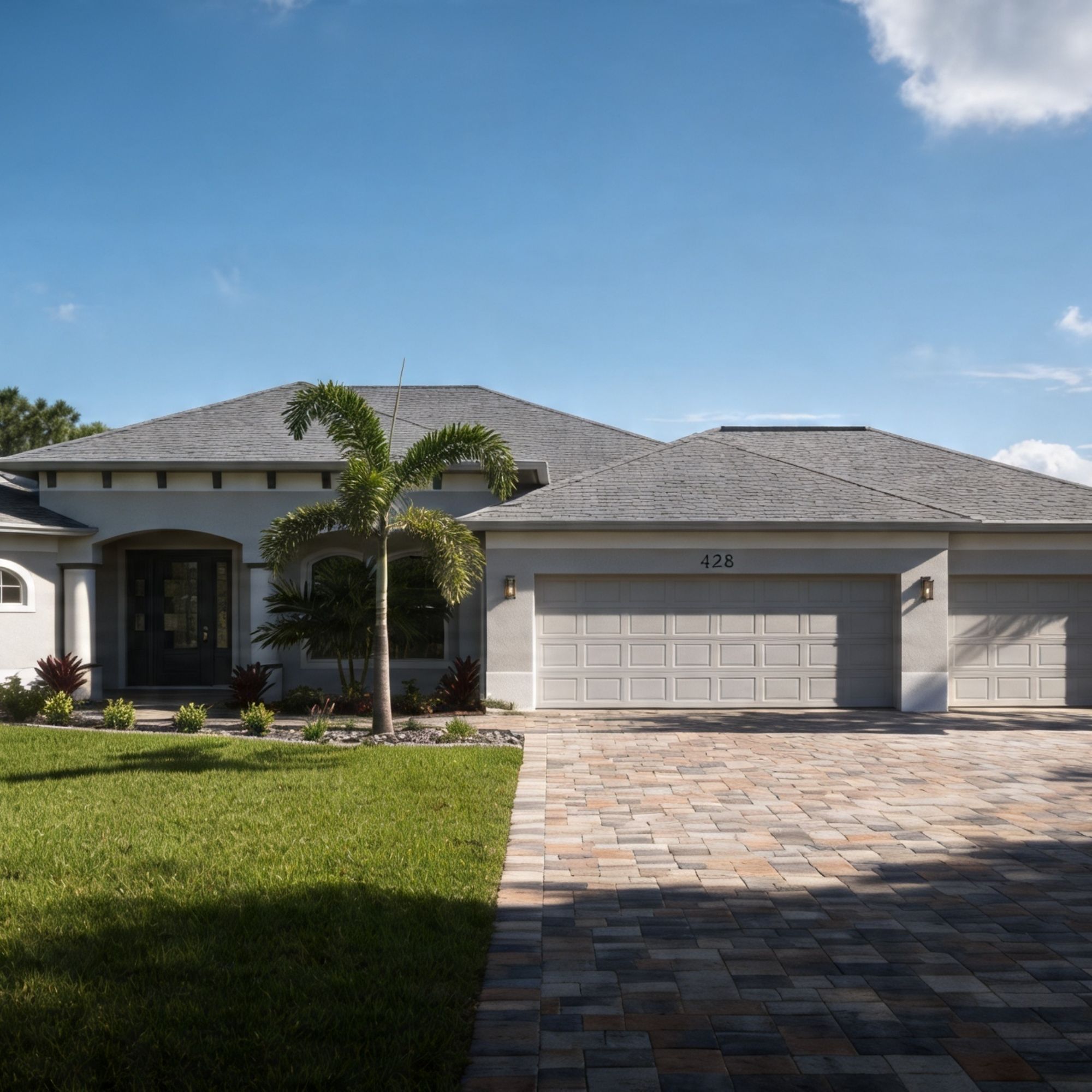
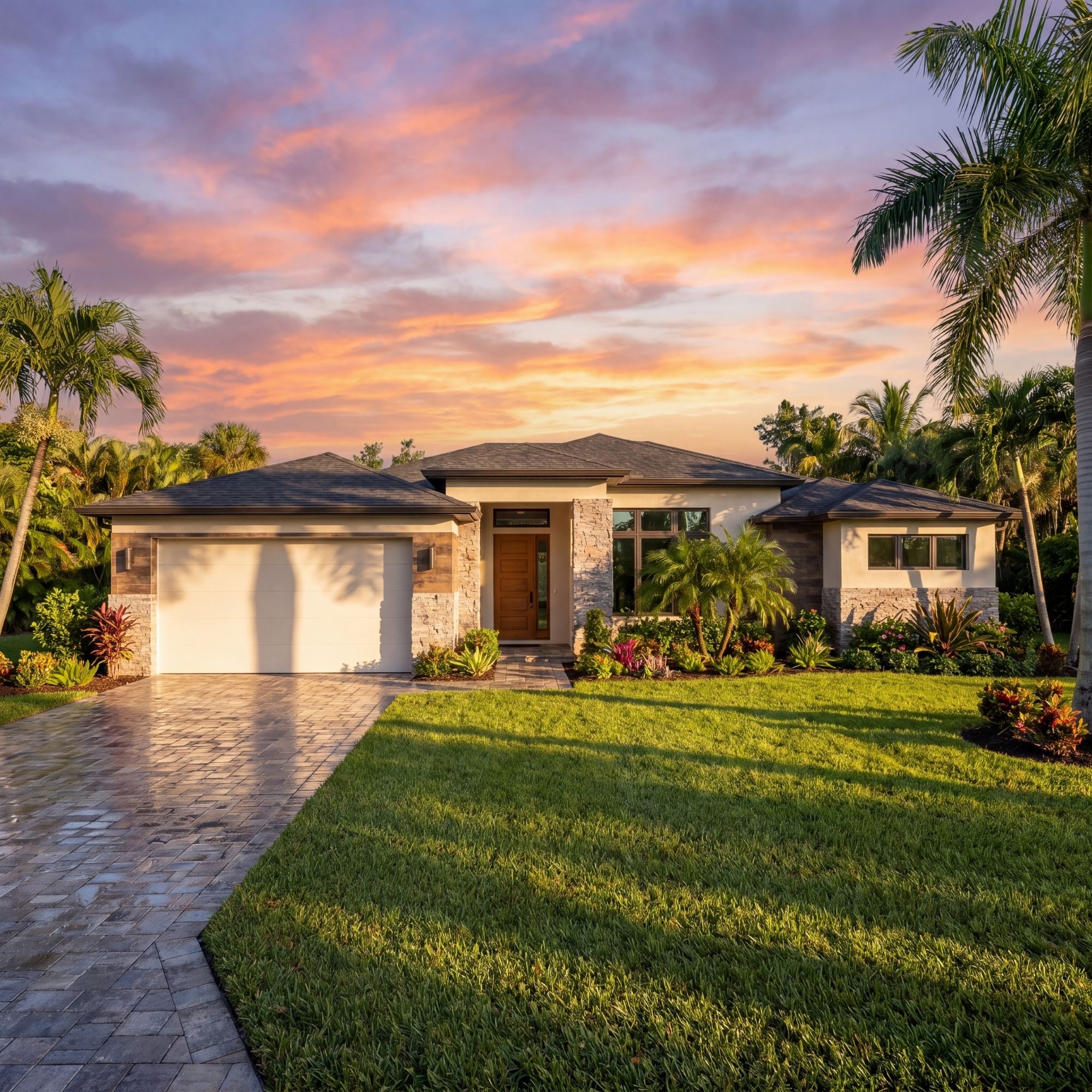
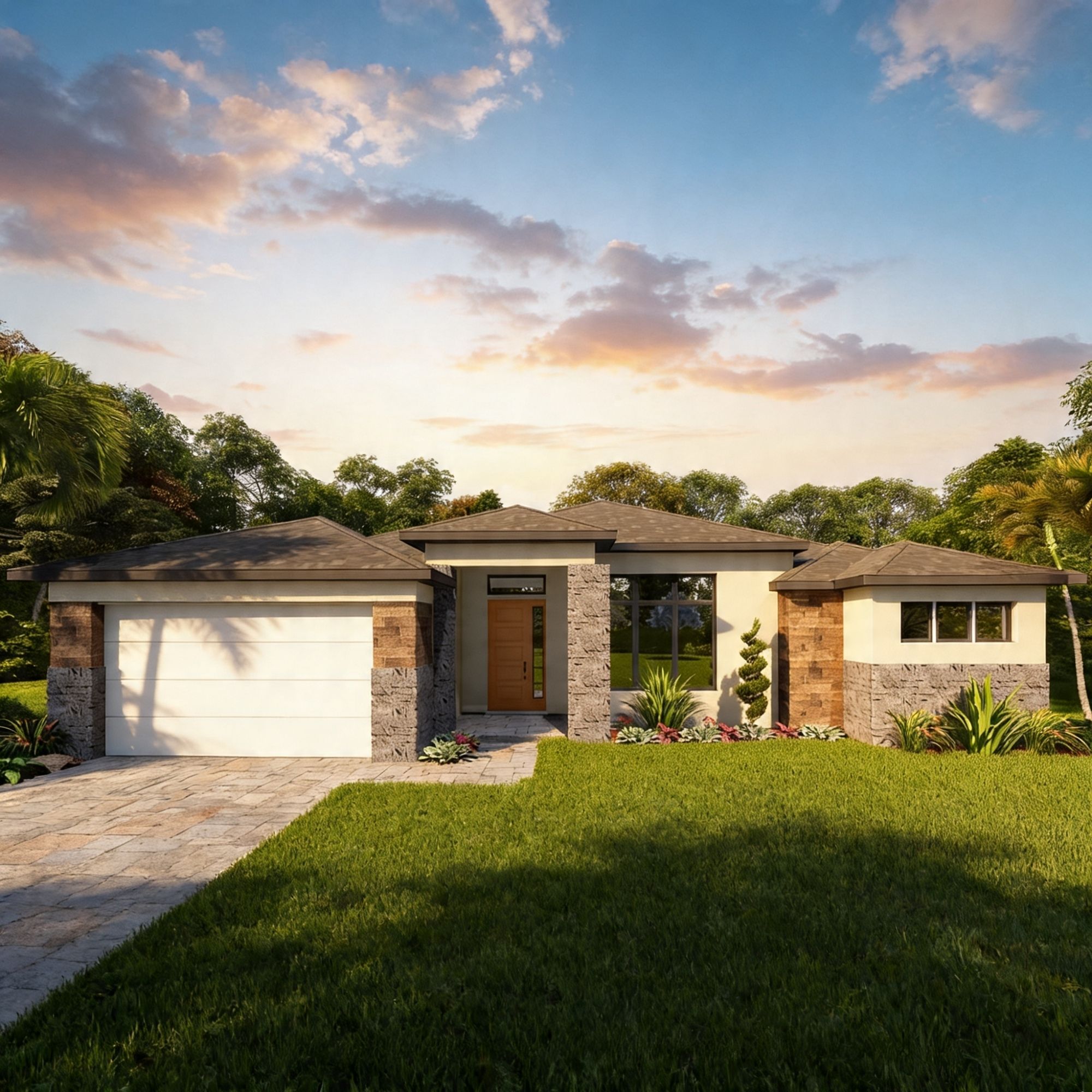
Each floor plan is designed around how the spaces connect and how you live day to day, turning naturally into a home built to fit how you live.
The Right Layout Starts Here
Start With a Layout That Makes Sense for Your Lot and Lifestyle
Every floor plan works differently depending on how you live, how your lot is positioned, and what you need the space to support. The right plan is not just about square footage, but how the spaces flow, connect, and function together.
Spacious open living with a central great room, private bedrooms, and seamless indoor outdoor flow for daily life.
Clear guidance on what to look for, what affects fit and function, and what to resolve before moving forward with a plan.
Key Considerations Before Selecting a Floor Plan
What should I focus on first when comparing floor plans?
The most helpful approach is to focus less on total square footage and more on how the space actually functions for daily life.Start by looking at circulation and flow. How do you enter the home? How easily do you move from the kitchen to the living and dining areas? Are the bedrooms separated for privacy, or grouped together for convenience? A well-designed plan feels intuitive—there’s no wasted space, and rooms connect in a way that matches how you live.
How do I know if a floor plan will fit my lot?
Lot width, depth, setbacks, and orientation all affect what can be built. A plan that works on one property may not work on another without adjustments. With guidance from experts with 40+ years of experience, these factors should be evaluated early in the process, before committing to a design, to ensure the plan fits both the site and the intended vision.
Can these floor plans be modified, or are they fixed?
Plans can be adjusted, but changes need to respect structural layout, rooflines, and load paths. Some modifications are straightforward, while others require redesigning key parts of the home.
What layout issues do people usually overlook?
Garage access, storage placement, ceiling height, hallway space, and how rooms connect. These details often look fine on paper but affect how the home feels and functions every day.
How do I choose between similar floor plans?
Focus on differences in flow, room positioning, and how the plan supports your routine. Small layout changes can have a bigger impact than overall size.
Does a larger floor plan always mean a better home?
No. Larger plans can introduce unused space or inefficient layouts. A well-designed smaller plan often feels more functional and easier to live in.
How early should I choose a floor plan in the building process?
Early. The floor plan drives structural design, site layout, and budget. Delaying that decision can create conflicts later in the process.
Let's Start Your Project
Whether you’re building a custom home or planning a renovation, the first step is a straightforward conversation. We’ll review your goals, your property, and what it takes to execute it the right way.